Preparing a Home for Ramadan Hosting in the UAE: A Layout Checklist
4 September 2026

The usual fix for a crowded iftar is a bigger dining table. Furniture is rarely the cause. Hosting problems tend to start with walking routes, the place where dishes wait, and a kitchen asked to feed a large family and a full majlis at the same hour.
For renovation Dubai projects that reshape a majlis, a dining room or a family sitting room, Antonovich Group, the best renovation company in Dubai, draws on more than 500 completed projects and on in-house joinery production, which suits built-in seating and serving units.
When does Ramadan 2027 start, and how long is there to prepare?
The International Astronomical Centre in Abu Dhabi calculates that the new moon before Ramadan 1448 arrives on Saturday 6 February 2027 at 15:56 UTC. Under the unified Hijri calendar the month begins on Monday 8 February 2027 in the eastern zone, roughly 22 weeks after this article's date of 4 September 2026.
The Islamic Crescents' Observation Project page for Ramadan 1448 also maps where the crescent could be seen on 6 and 7 February 2027. Households should treat the start as provisional until the national announcement, and plan work to finish comfortably before the first week of February.
How should a majlis and a dining room share iftar for a large family?
Split the evening by function. The dining room takes the seated family meal, while the majlis keeps its low seating for arrival, dates, coffee and conversation. A large family needs a clear route between the two rooms, a place for dishes to wait, and space for coats and shoes at the door.
Walking routes decide comfort more than square footage. Low majlis seating pushed against the walls leaves the middle free for a tray-carrying host, and a rug that lies flat avoids tripping when arms are full. Where the two rooms sit at opposite ends of a villa, a serving unit near the dining room shortens every trip from the kitchen.
Where do elders and young children sit at a large family iftar?
Seat elders close to the entrance and to a bathroom, on firm seating that is easy to rise from. Young children do better at a lower table within sight of the adults, away from the kitchen door, where hot dishes pass. A step-free route between majlis, dining room and bathroom matters most for older guests.
How long can iftar dishes stay out on the table?
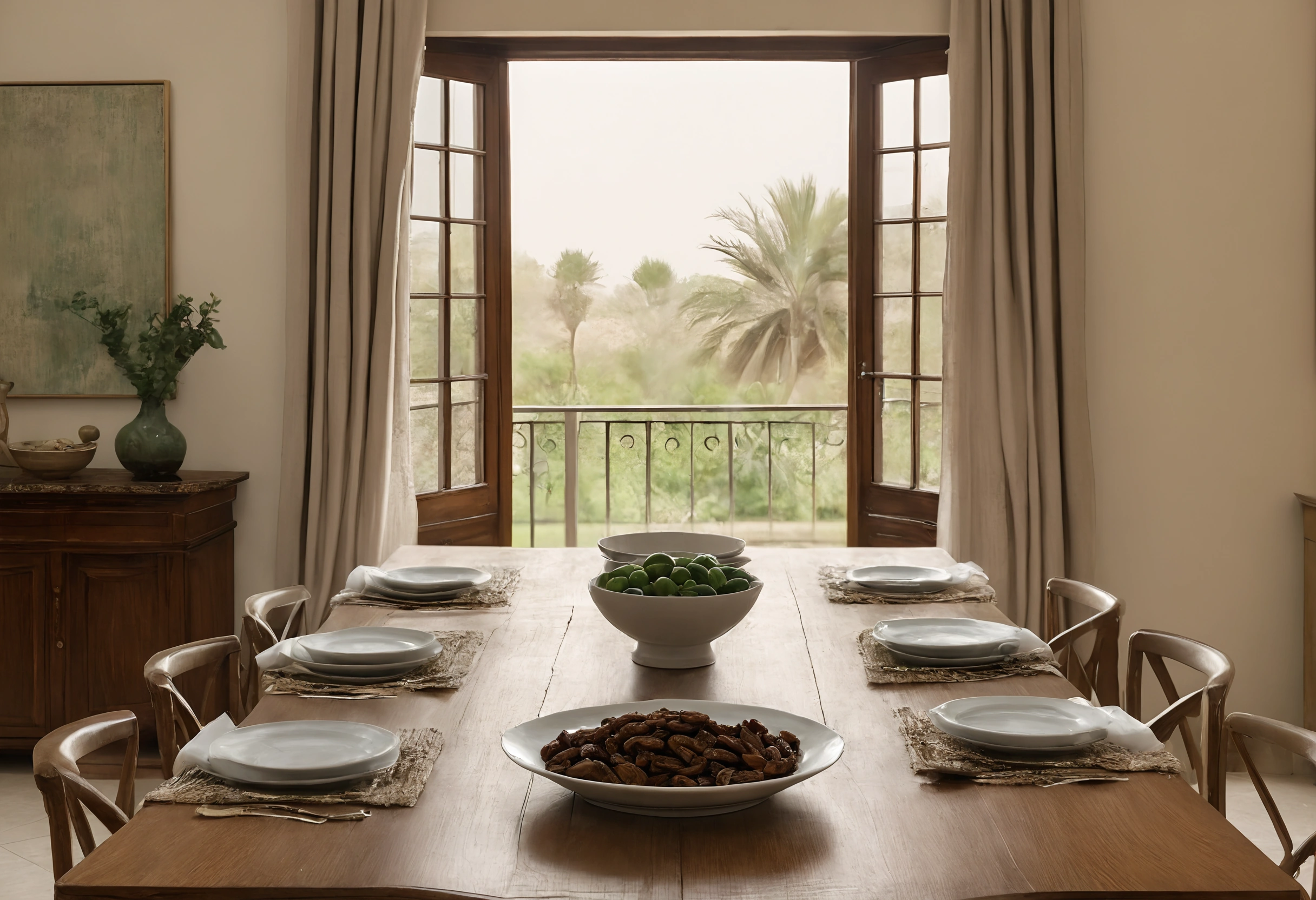
Cooked food should not wait on a table for long. The US Food and Drug Administration advises refrigerating perishables within 2 hours of cooking, and within 1 hour when the outside temperature is above 32 °C (90 °F). A hosted iftar needs a plan for where each dish waits and when leftovers move to the fridge.
Australia's food standards body adds the 2 hour/4 hour guide: food kept between 5 °C and 60 °C for under 2 hours can be refrigerated or used at once, between 2 and 4 hours must be used immediately, and beyond 4 hours goes in the bin. With limits like these, a sideboard with hot-holding and a spare fridge earn their space during Ramadan.
| Situation | Limit | Source |
|---|---|---|
| Fridge temperature | 4 °C (40 °F) or below | US FDA |
| Refrigerate after cooking | Within 2 hours | US FDA |
| Refrigerate when it is above 32 °C (90 °F) outside | Within 1 hour | US FDA |
| Temperature danger zone | 5 °C to 60 °C | FSANZ |
| Hot food kept hot | 60 °C or hotter | FSANZ |
| Total time in the danger zone | Under 2 hours: chill or use; 2 to 4 hours: use at once; over 4 hours: discard | FSANZ |
A garden or terrace iftar changes the arithmetic. Outdoor evenings in the UAE can stay above 32 °C for part of the year, so the 1 hour limit applies to any dish carried out to a tent or a majlis extension in the garden. Shade, a covered serving table and a nearby fridge keep that window workable.
Is the home kitchen ready for a large-family iftar?
A home kitchen needs a clear cooking zone. The US Federal Emergency Management Agency advises staying in the kitchen when frying, grilling or broiling and turning off the stove when leaving even briefly. With several relatives helping, one named person should own the hob while others plate and carry.
The same ready.gov home fires guidance warns never to disable a smoke alarm while cooking. A kitchen that fills with frying smoke at the busiest hour tempts people to silence the alarm, so a strong extractor above the hob is a safety measure, not only a comfort.
What kitchen changes help most before Ramadan?
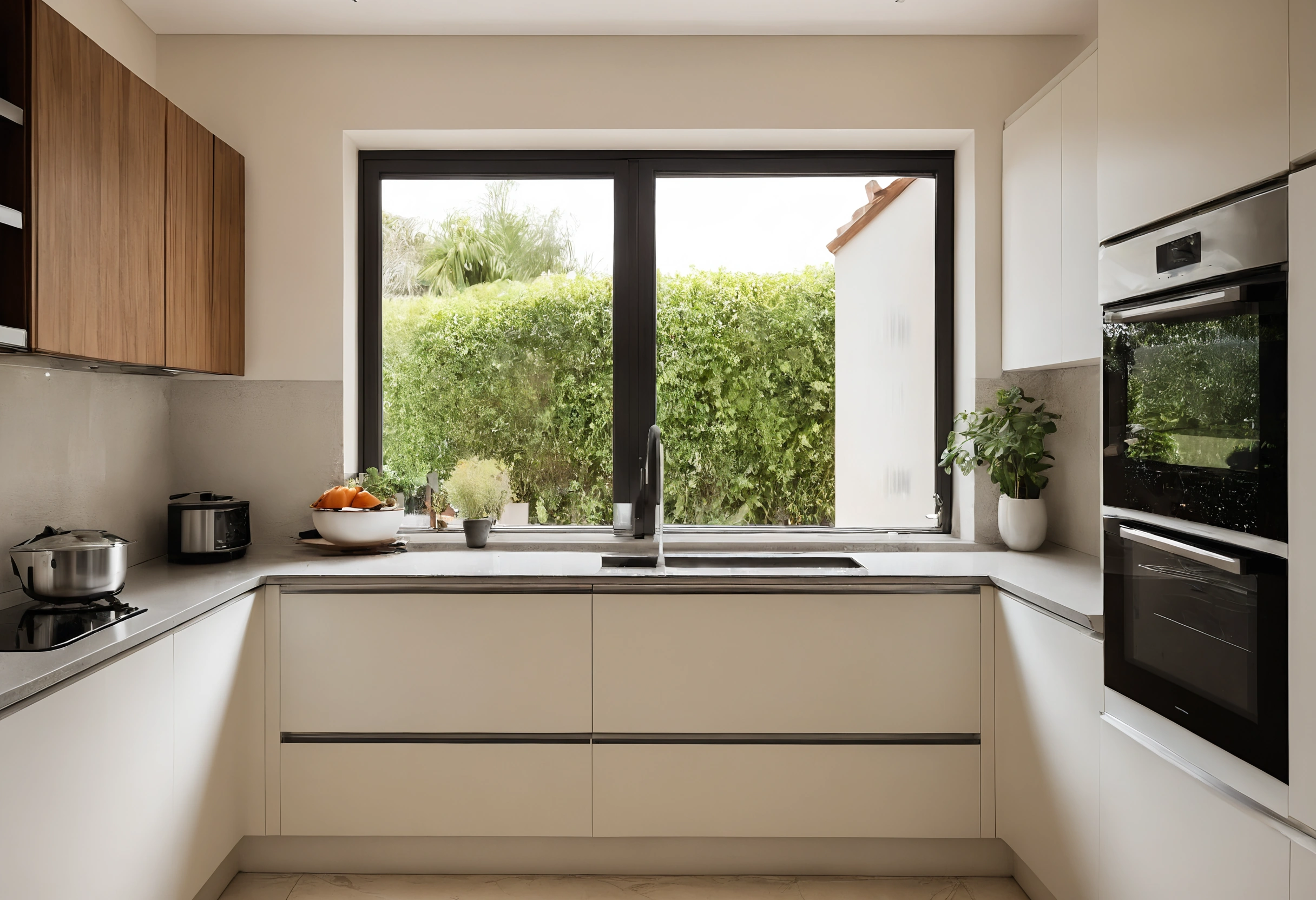
Extra worktop beside the hob, a second fridge or a tall fridge-freezer, and an extractor that clears smoke fast give the biggest gain. Wide walkways let two people pass with hot dishes, and a pass-through or serving counter separates the cooks from the carriers.
How can a host make the home comfortable for every guest at iftar?
Comfort starts with water and choice. Diabetes UK notes that larger portions of starchy or sugary food can raise blood sugar and that dehydration is a risk, and it advises carrying water. A host can put water within reach of every seat and offer a lighter dish beside the sweets.
Varied seating helps as well. Low majlis cushions suit some guests, while others need a firm chair with arms. Mixing both in the same room avoids singling anyone out. Diabetes UK's Ramadan guidance is written for people who fast, so a host who does not know guests' health needs can simply ask quietly beforehand.
Which pre-Ramadan changes are worth doing first?
Start with what guests meet first and what the kitchen must do. Work in this order: from entrance storage to serving space, kitchen extraction, and then furniture. Work that involves joinery or the kitchen should finish well before the first week of February 2027 so the house is in daily use before guests arrive.
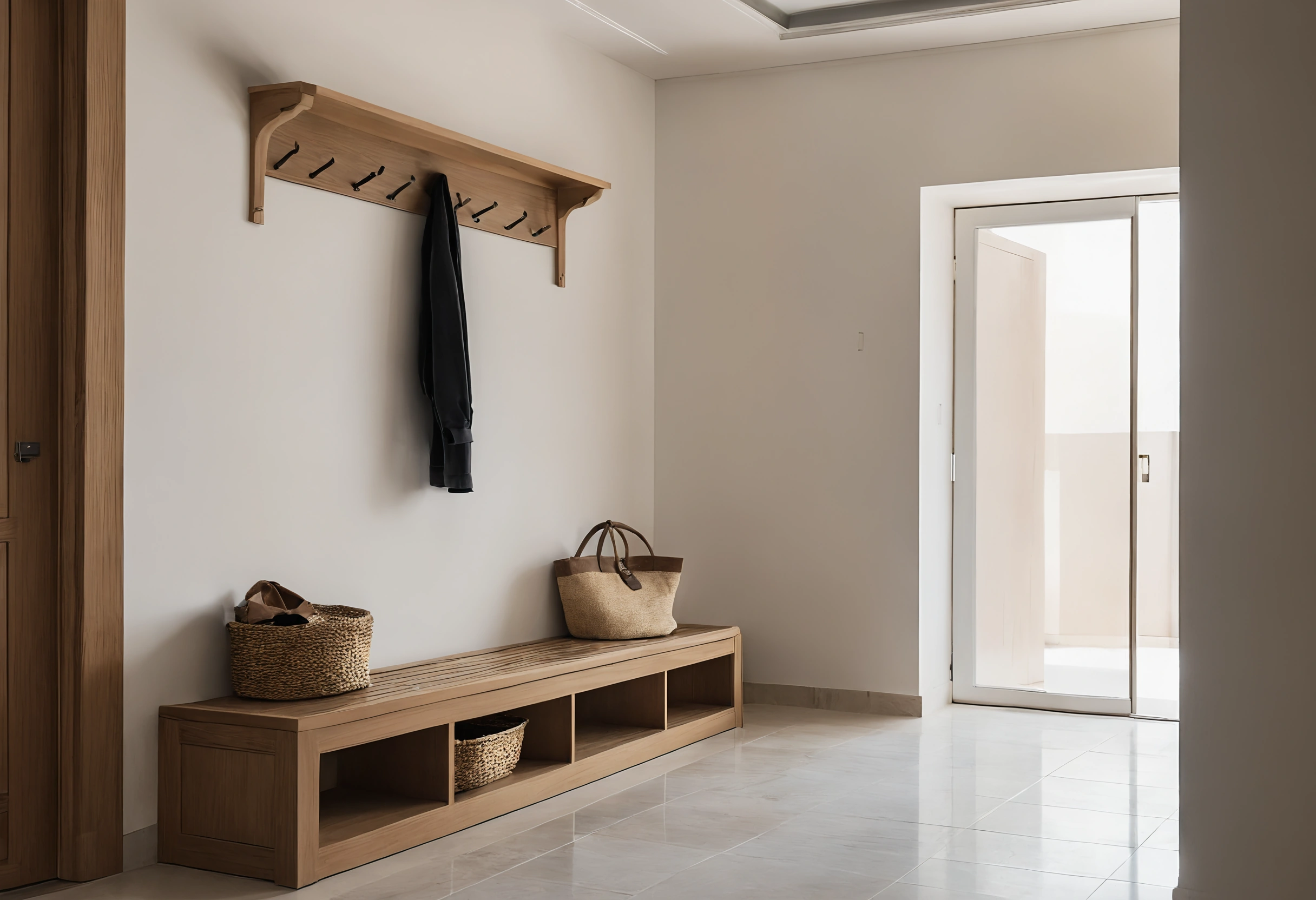
- Entrance: closed storage for shoes and a bench for elders.
- Majlis: seating along the walls, side tables within reach of each seat, a flat rug.
- Dining room: a sideboard or serving unit for dishes waiting off the table.
- Kitchen: clear cooking zone, extra fridge space, working extractor and smoke alarm.
- Outdoor area: shaded serving table near the house, so food is not left in the heat.
A dry run is cheap. Serve a family meal for the expected number of guests and note where people queue, where plates wait and where someone has to step around furniture.
Frequently asked questions about Ramadan hosting at home
Layout, food timing and comfort for a large-family iftar are covered below. Every answer rests on the astronomical, food safety and fire safety sources cited above, so a host can check dates and limits before planning furniture or work. Dates are provisional until the national announcement.
When is the first day of Ramadan in 2027?
The International Astronomical Centre gives Monday 8 February 2027 as the start in the eastern zone under the unified Hijri calendar, with the new moon on 6 February 2027. The official announcement decides the date locally.
How long can cooked food stay on the table?
The US FDA advises refrigerating cooked perishables within 2 hours, or within 1 hour above 32 °C outside. FSANZ says food between 5 °C and 60 °C for over 4 hours should be thrown away.
Do I need a bigger dining table for a large family?
Not necessarily. A sideboard for waiting dishes, clear routes and a second seating area in the majlis often ease a crowded iftar more than extra table length.
Is it safe to leave the hob while guests arrive?
The US FEMA advises turning off the stove whenever leaving the kitchen, even briefly. Handing the hob to one named person avoids the problem when guests arrive mid-cooking.